
Trellis when you want to know whether it is worth it at all
A first 3D model of a product is always a bet: you do not know whether the photograph you have is good enough. The other engines make you wait between two and a half and three and a half minutes for the answer. This one answers in twenty seconds and returns the lightest file of the five — because it also returns the least: one colour texture and nothing besides.
Rendered by this model
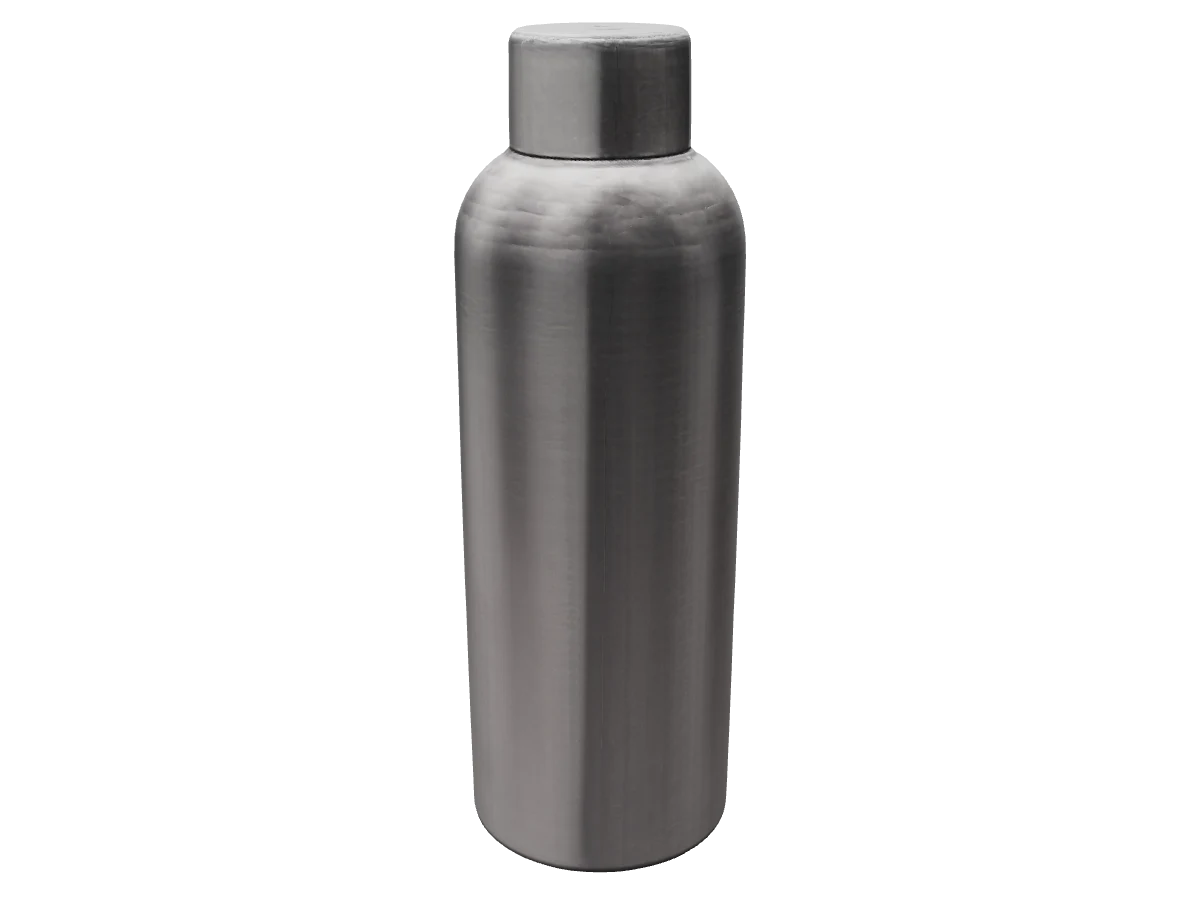
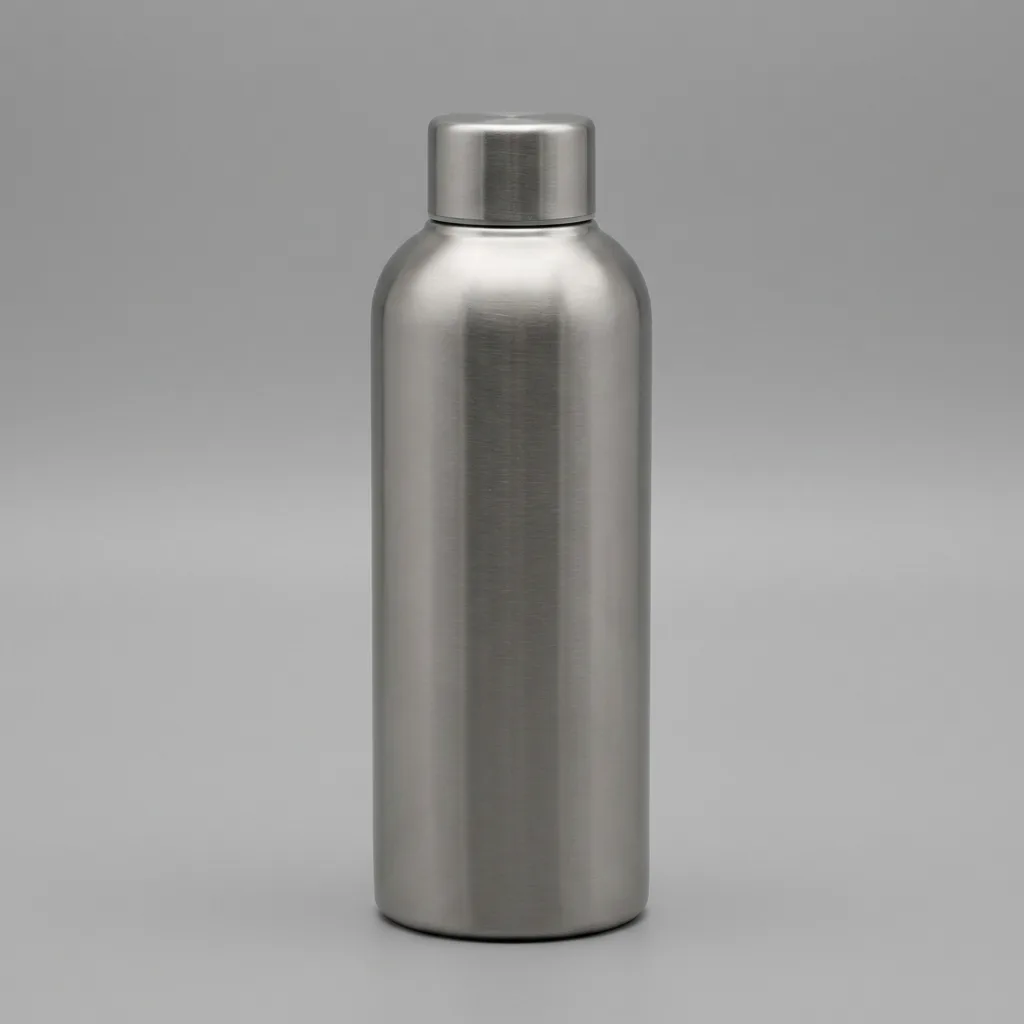
The mesh was reconstructed from this photograph:
The sample is rendered with PBR materials on. Textures in the file served here are downsampled to 1024px so it opens on a phone; the geometry and the set of maps are as the engine returned them.
Specification
- Built by
- Microsoft
- Starts from
- your own photo
- File format
- GLB
- Textures
- one texture with the photo's own light baked into it
- Reference photos
- 1
- Render time
- about 25s
- Cost
- 1 credit per model
What it is good for
- About twenty seconds
- Eight times faster than Tripo and ten times faster than Rodin. At that speed testing stops being a decision: upload the photo, look at it, and either carry on or take a better photograph and try again inside the same minute.
- Six thousand triangles, and the silhouette holds
- The app asks this engine to drop 95% of its mesh, which leaves 6,026 triangles — the fewest of the five, against a hundred thousand from Tencent. On our flask you cannot tell: the outline is smooth and the cap edge is clean. It is the lightest file obtainable here.
- A repeatable result
- It takes a random seed, so the same input with the same seed returns the same model. Among 3D engines that is rare, and it is the only way to get back to a version that came out well.
When to pick something else
It does not return materials. The other four hand back three maps — colour, metallic-roughness and a normal map — and this one hands back a single colour texture with no setting that changes it. On a steel flask that shows more plainly than on anything else: the entire impression of metal, the brushing and the reflections, is baked into the colour, so the surface does not answer the light and stays matte from every angle. For a render, for 3D printing or for further work in a modelling program that is disqualifying, because there the material has to be separate. This engine also returns files with no vertex normals at all, which a viewer has to derive before it can light anything. The second limit is harder: it works from a photograph only, because it reconstructs what it is shown and offers no way in from a sentence.
See every modelHow to brief this model
The things this engine handles differently from the rest. The habits that hold for every model are collected separately, in the help centre.
- Take it for the first attempt. Twenty seconds a model is the shortest wait of the five, so this is where you find out whether a photograph will make a solid at all.
- Do not give it products where the material is the point. Steel, glass and gloss all come back matte, because this engine returns no metallic or roughness map.
- Upload a photograph in diffused light. Since all of the light ends up baked into the colour texture, a hard shadow in the photograph will turn with the model.
- You can get the same result twice, because the engine takes a random seed. Across a set of products in one style that is the only route to repeatability.
- A description will get you nothing here — this is the only one of the five engines that works from a photograph alone.
Questions about this model
Try this model on your own product
Sign up without a card and get 40 credits. Switching model is one click, so you can send the same brief through several of them and keep the best frame.