
Rodin Gen-2.5 when the back of the product must not be invented
Every 3D engine sees one side of an object and makes the rest up — that is how they work, not a fault. The trouble starts when the back is part of the offer: the zip in a bag, the copy on the reverse of a carton, the pattern on the other side of a cushion. This is the only one of the five that takes up to four photographs of the same object and assembles the model from what it can actually see.
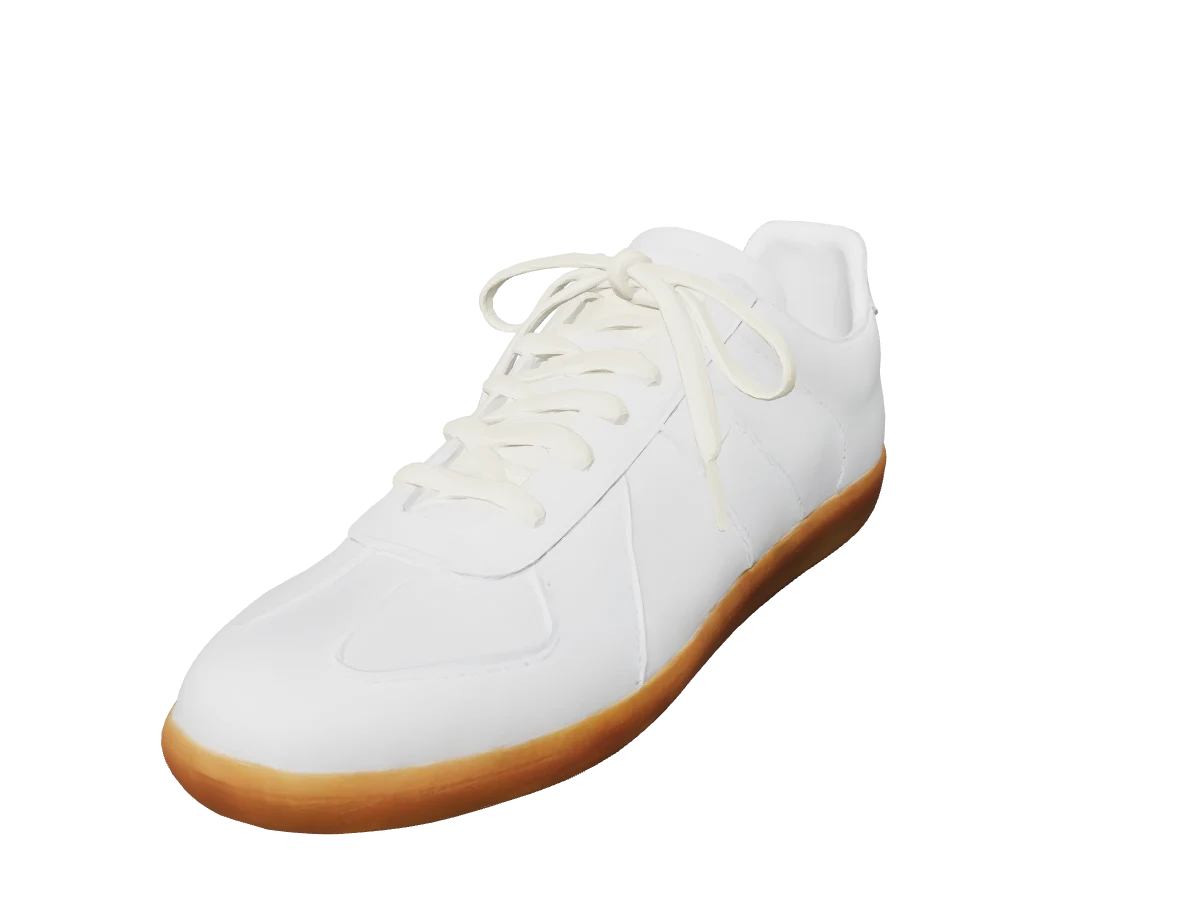
Rendered by this model
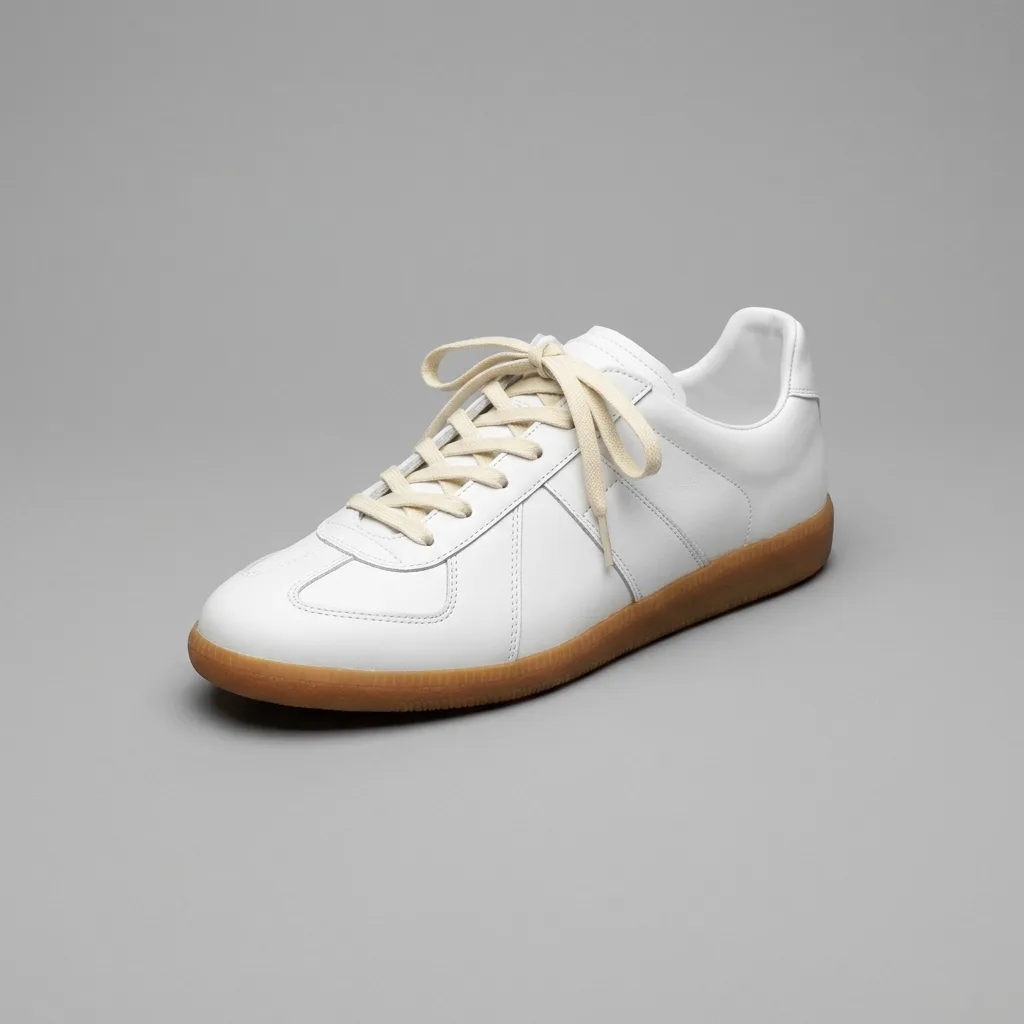
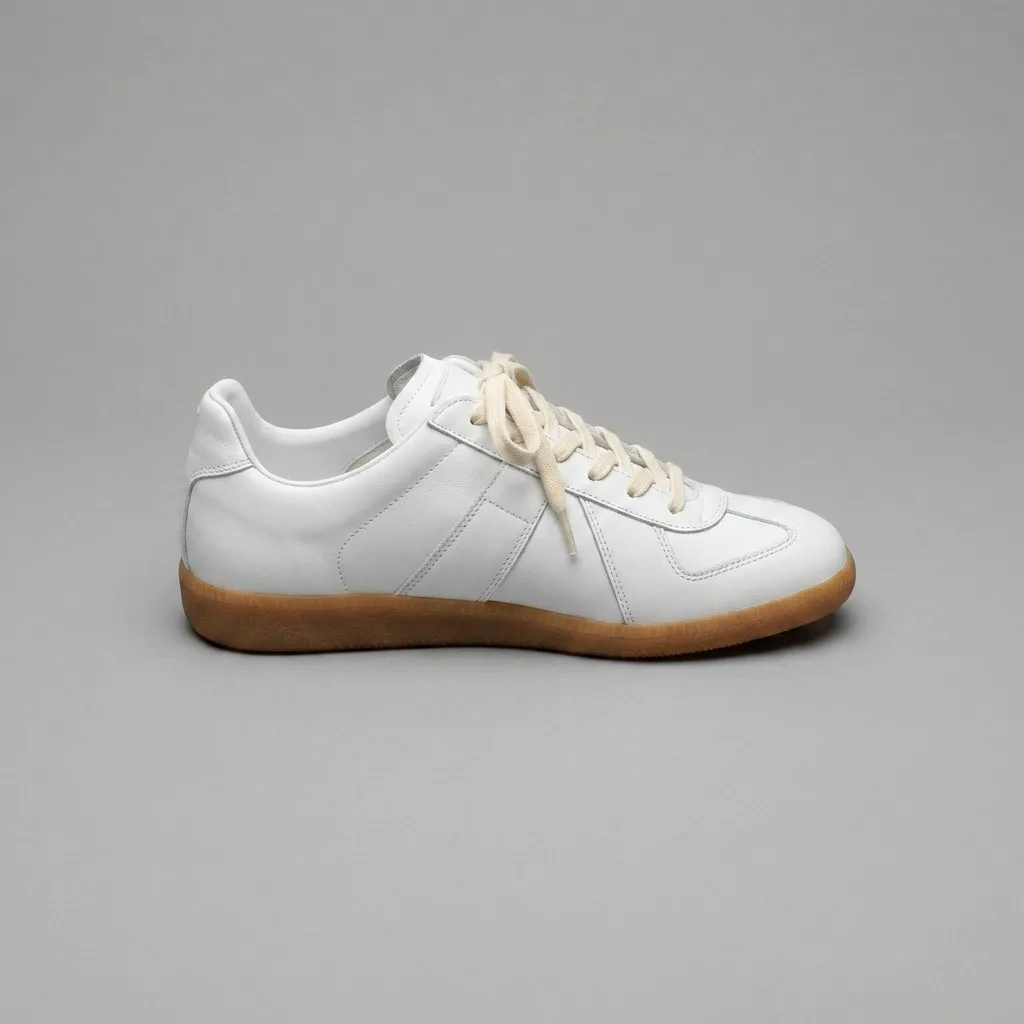
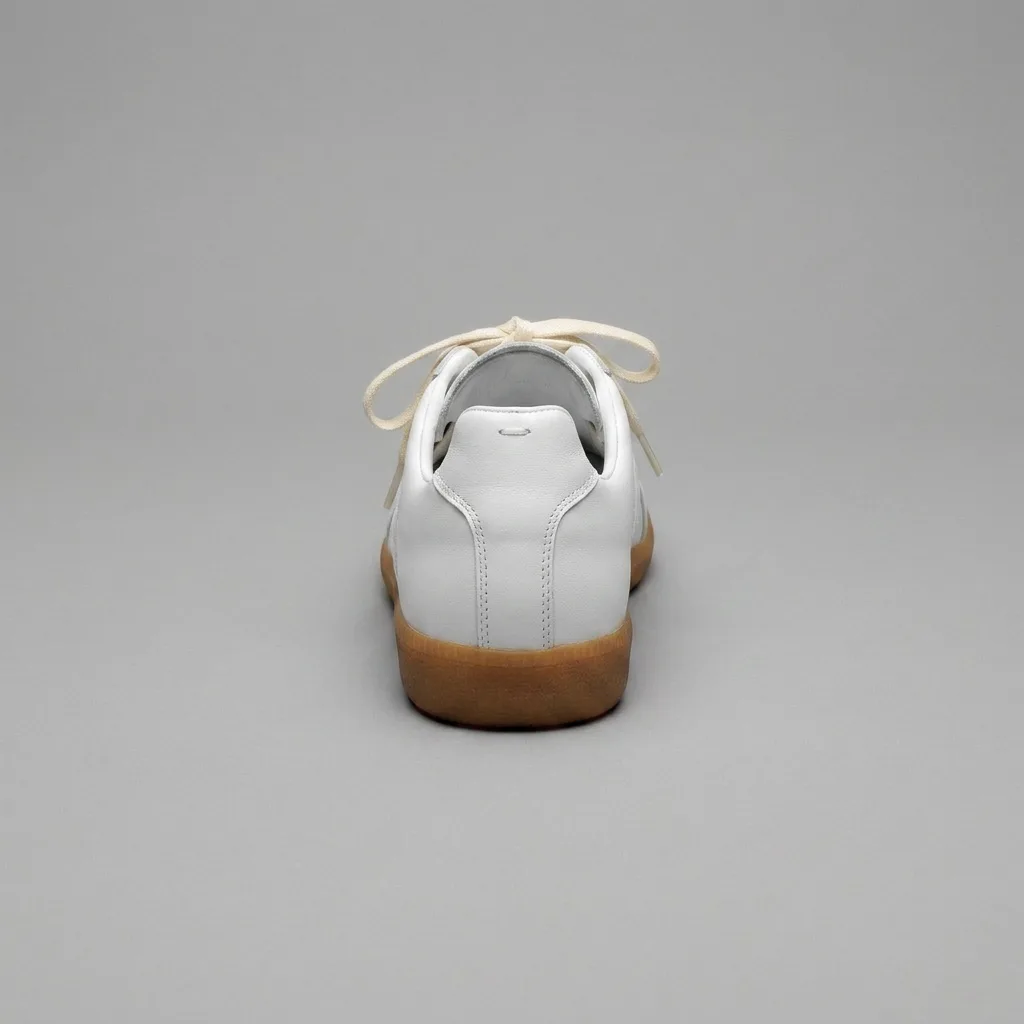
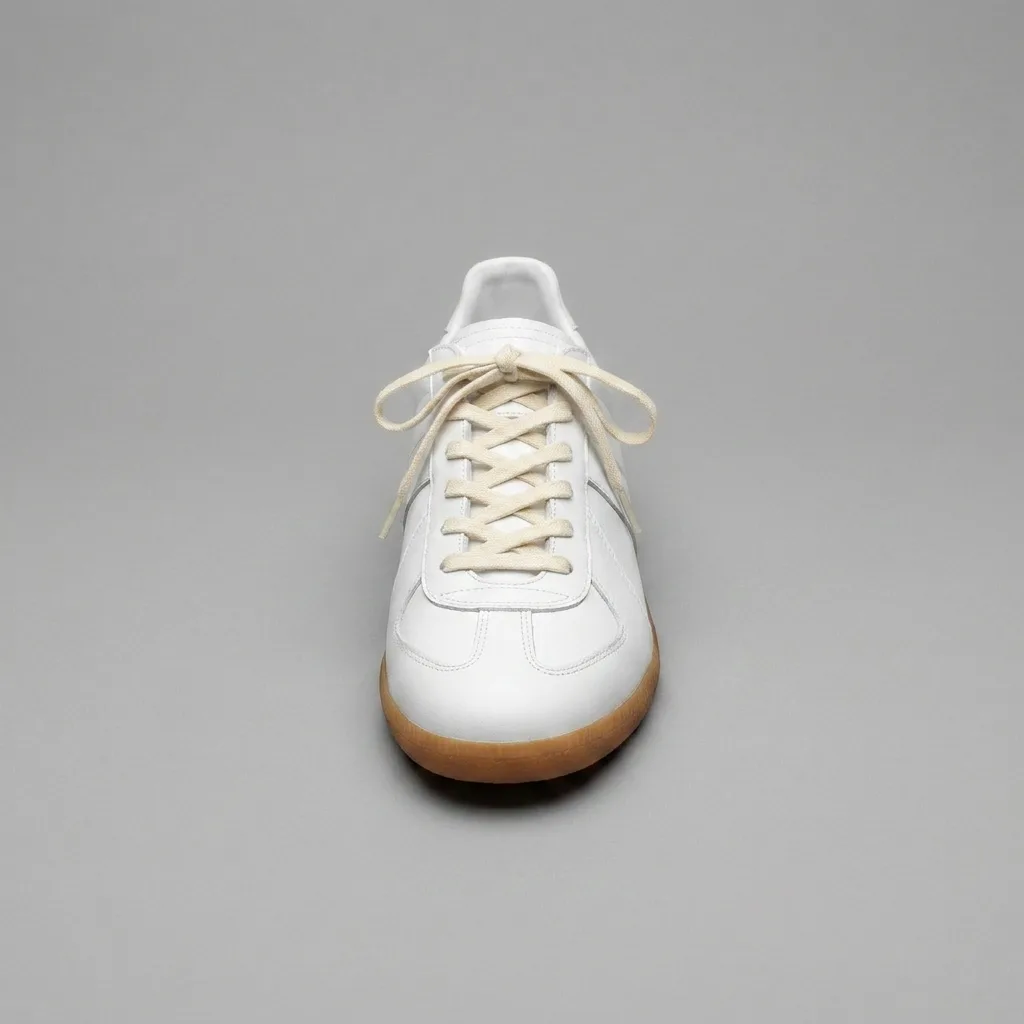
The mesh was reconstructed from these four photographs:
The sample is rendered with PBR materials on. Textures in the file served here are downsampled to 1024px so it opens on a phone; the geometry and the set of maps are as the engine returned them.
Specification
- Built by
- Hyper3D
- Starts from
- your own photo · a written brief
- File format
- GLB
- Textures
- PBR — separate metallic, roughness and normal maps
- Face budget
- 20,000 for the web, 150,000 at high detail
- Reference photos
- 4
- Render time
- about 200s
- Cost
- 2 credits per model
What it is good for
- Up to four views
- The other four engines take one photograph. This one reads the front, the back and both sides, and the more sides you show it the less is left to guess. If the product is already shot from all round for the listing, this is the engine where those photographs start earning their keep.
- Photographs and a brief together
- It is the only one that reads a brief alongside the images, so a detail the photographs do not show — a material, a finish, the colour of the base — goes in as words instead of as another shot.
- A hundred and fifty thousand faces and full materials
- At high detail it asks for the higher quality tier, a hundred and fifty thousand triangles, a high-resolution texture and separate material maps — for a render, where the model stands under its own light rather than the light from the photograph.
When to pick something else
With one photograph there is no reason to choose it. It costs two credits rather than one, and from a single photograph Tripo H3.1 or Trellis gives you the same thing for half the price and no wait. "For the web" asks for twenty thousand triangles here, the lowest of the five, and at that count small detail smooths away: on our sneaker the eyelets disappeared and the stitching survives only as soft creases in the leather. This engine comes into its own when you have four views — and then it has no competition here, because nothing else will accept them.
See every modelHow to brief this model
The things this engine handles differently from the rest. The habits that hold for every model are collected separately, in the help centre.
- Upload four photographs, not one. This is the only engine on the list that takes several views of one product, and the only reason to pay two credits here.
- Shoot those views from four sides: front, back and both flanks. The model then guesses considerably less than it does from a single photograph.
- Make sure all four photographs are of the same item, in the same light and against the same background. Four views that disagree about the lighting or the shade still get assembled into one object, and what comes back belongs to none of them.
- Reckon with small detail smoothing. At twenty thousand triangles the eyelets on our sneaker disappeared, so if a detail like that is part of the product, order the high setting.
- Leave it what the photographs cannot show. The material of the sole, the finish inside, the colour of the lining — write those in words. This is the only engine that reads a brief alongside the images, so you do not need a fifth view for them.
Questions about this model
Try this model on your own product
Sign up without a card and get 40 credits. Switching model is one click, so you can send the same brief through several of them and keep the best frame.